



Sustainability
Why Environmental Sustainability Is No Longer Optional for Businesses






Delivering education and training programs that build practical skills for sustainable action.

Supporting climate action through carbon assessment, reduction strategies, and net-zero planning.
.webp)
Developing clear sustainability strategies that align environmental goals with long-term impact and growth.

Providing expert environmental consulting to support compliance, risk management, and responsible decisions.

Designing community programs that promote environmental awareness and encourage sustainable local action.

Measuring and reporting environmental performance using data-driven tools and impact frameworks.

From launching brands to building digital platforms, our services are designed to meet you where you are and take you where you want to go with clarity, creativity, and care.

.svg)








Can’t find the answer you’re looking for? Please chat to our friendly team or write us an email at info@lunvare.webflow.io
What does environmental sustainability mean?
Environmental sustainability refers to the responsible use and protection of natural resources to ensure they remain available for future generations. It focuses on minimizing environmental impact through efficient resource management, emission reduction, waste control, and long-term planning. Sustainability is not only about protecting nature, but also about creating systems that support economic stability and social well-being over time.
Why is sustainability important for businesses today?
Sustainability is important because it directly affects business resilience, reputation, and long-term growth. Customers, investors, and partners increasingly expect organizations to take responsibility for their environmental impact. Sustainable practices help reduce operational risks, improve efficiency, and build trust, while also ensuring compliance with evolving environmental regulations.
How can an organization start its sustainability journey?
An organization can start by assessing its current environmental impact, such as energy use, waste generation, and carbon emissions. From there, clear goals and measurable targets can be established. Small, consistent actions—like improving efficiency, adopting responsible sourcing, and educating teams—create a strong foundation for long-term sustainability efforts.
What is the difference between carbon reduction and carbon offsetting?
Carbon reduction focuses on lowering emissions at their source, such as using renewable energy or optimizing operations. Carbon offsetting, on the other hand, involves compensating for unavoidable emissions by supporting projects that reduce or absorb carbon elsewhere, like reforestation or renewable energy initiatives. Both play a role, but reduction should always be prioritized before offsetting.
How does environmental sustainability support long-term growth?
Environmental sustainability supports long-term growth by protecting the resources that businesses and communities depend on. Sustainable practices reduce risks, improve efficiency, and strengthen stakeholder trust. Over time, they help organizations adapt to change, remain competitive, and create lasting value while contributing positively to the environment.
What does environmental sustainability mean?
Environmental sustainability refers to the responsible use and protection of natural resources to ensure they remain available for future generations. It focuses on minimizing environmental impact through efficient resource management, emission reduction, waste control, and long-term planning. Sustainability is not only about protecting nature, but also about creating systems that support economic stability and social well-being over time.
Why is sustainability important for businesses today?
Sustainability is important because it directly affects business resilience, reputation, and long-term growth. Customers, investors, and partners increasingly expect organizations to take responsibility for their environmental impact. Sustainable practices help reduce operational risks, improve efficiency, and build trust, while also ensuring compliance with evolving environmental regulations.
How can an organization start its sustainability journey?
An organization can start by assessing its current environmental impact, such as energy use, waste generation, and carbon emissions. From there, clear goals and measurable targets can be established. Small, consistent actions—like improving efficiency, adopting responsible sourcing, and educating teams—create a strong foundation for long-term sustainability efforts.
What is the difference between carbon reduction and carbon offsetting?
Carbon reduction focuses on lowering emissions at their source, such as using renewable energy or optimizing operations. Carbon offsetting, on the other hand, involves compensating for unavoidable emissions by supporting projects that reduce or absorb carbon elsewhere, like reforestation or renewable energy initiatives. Both play a role, but reduction should always be prioritized before offsetting.
How does environmental sustainability support long-term growth?
Environmental sustainability supports long-term growth by protecting the resources that businesses and communities depend on. Sustainable practices reduce risks, improve efficiency, and strengthen stakeholder trust. Over time, they help organizations adapt to change, remain competitive, and create lasting value while contributing positively to the environment.

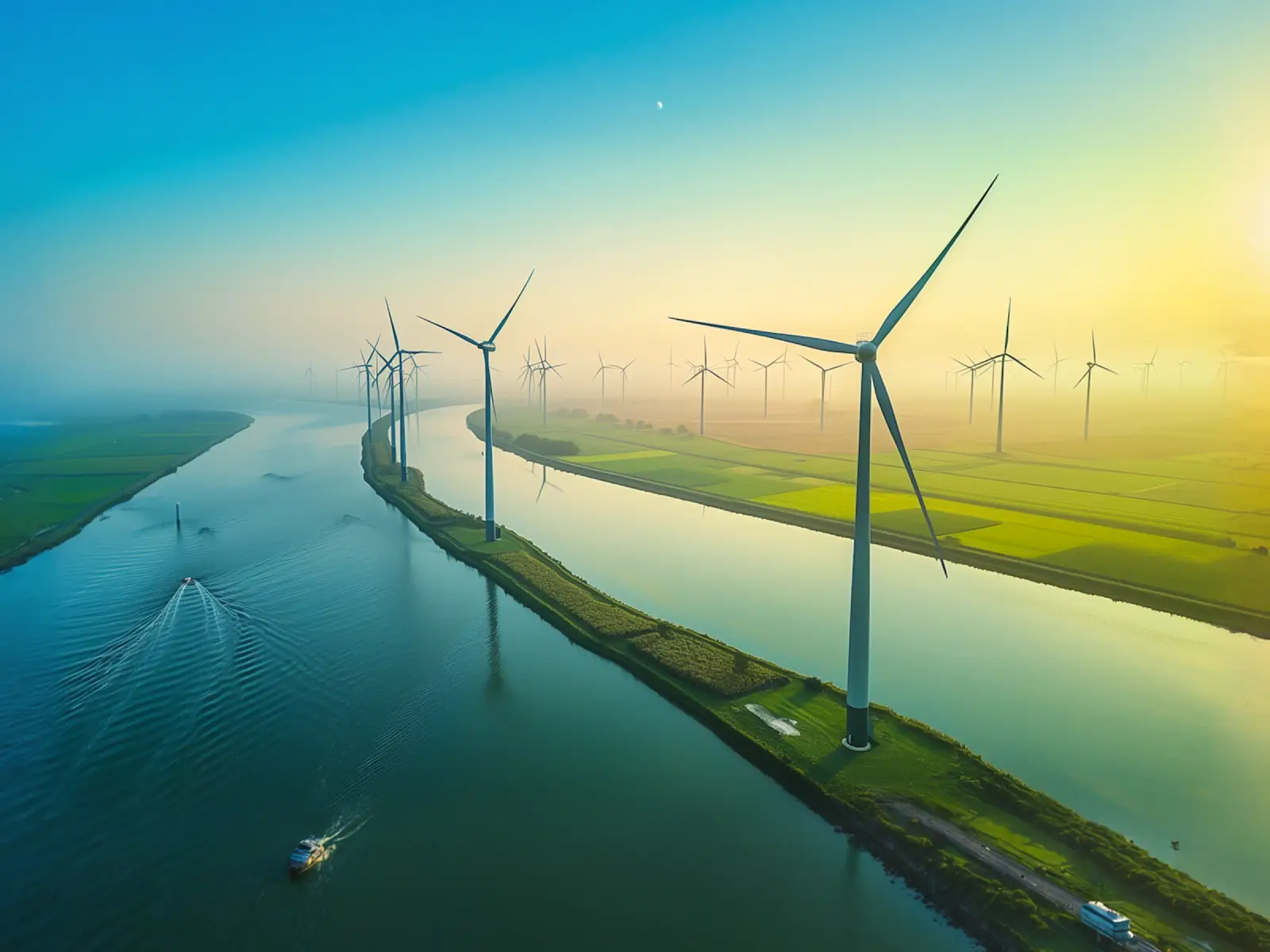
Creating sustainable impact for a better planet.

.svg)

.webp)